Images of a new landscape created for tourism: photography as evidence of the role of architecture in the transformation of the Costa Brava landscape in the 1960s.
go to the thesis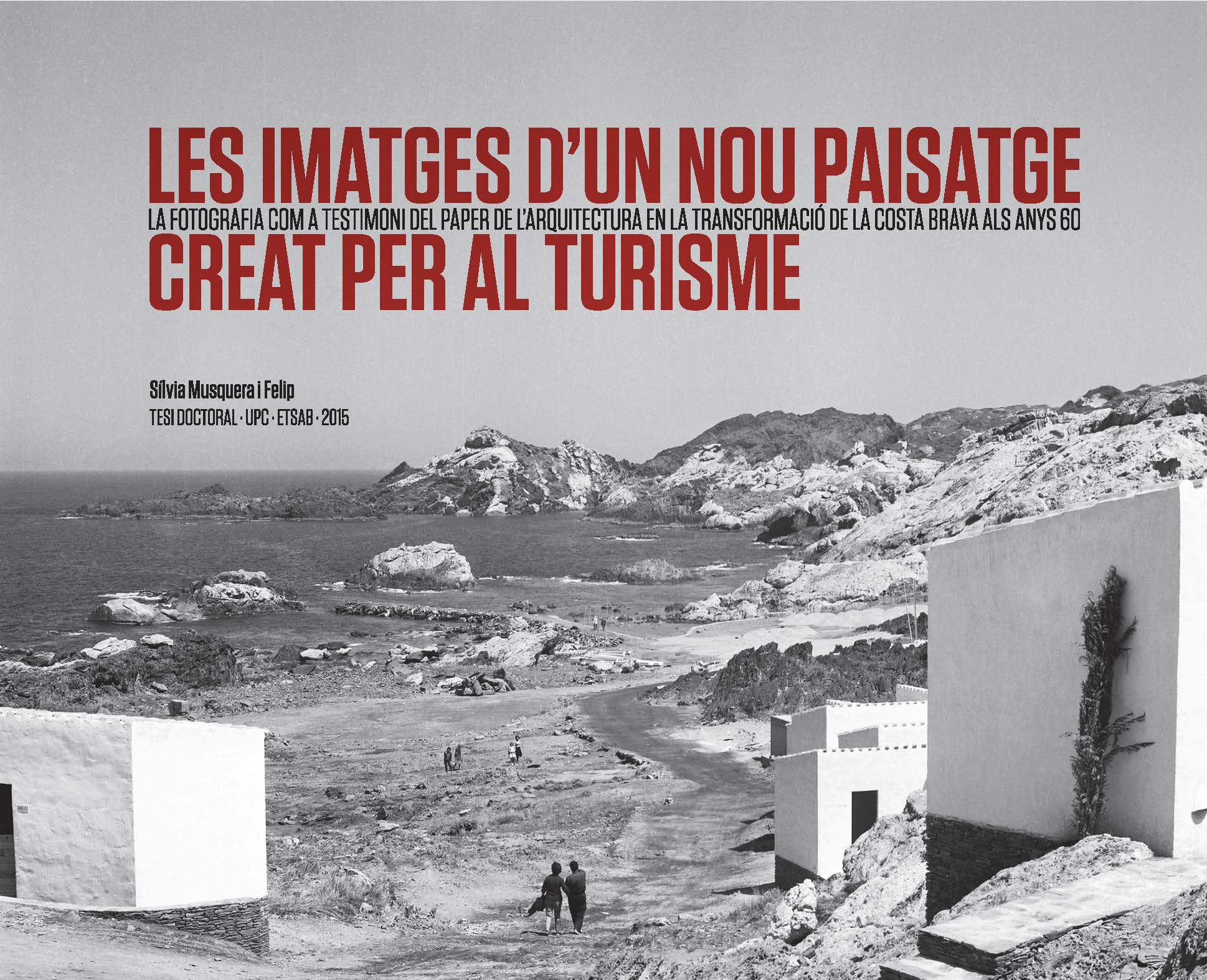
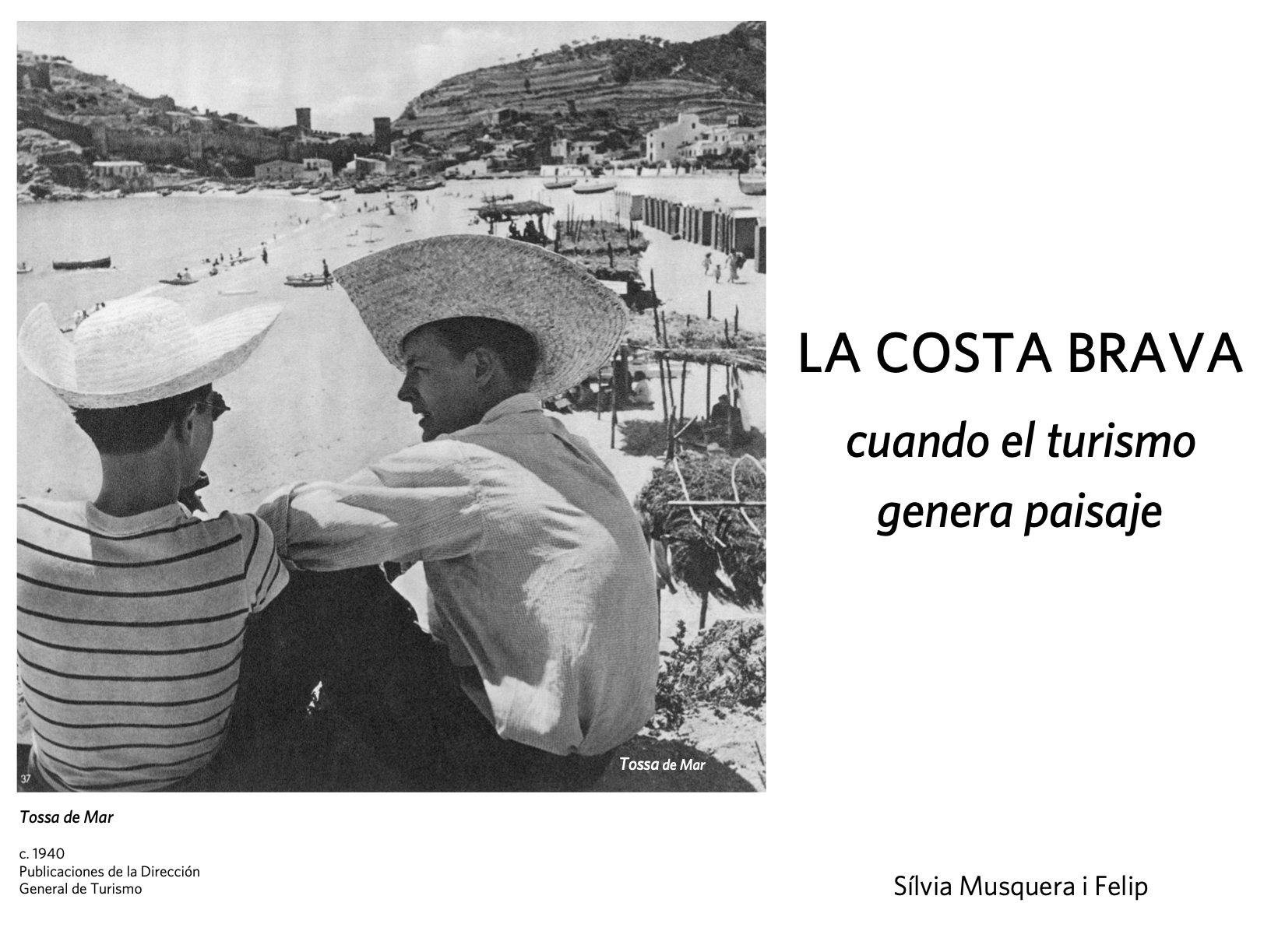
The Costa Brava is not just a place in the territory, nor can it be summarized in an image, nor can it be approached from a single aspect. The complexity of its multifaceted landscape makes it unattainable. A landscape that had undergone practically no changes until the massive arrival of sun and beach tourism in the early sixties. Its geographical characteristics, the climate and the people who lived there contributed to making the Girona coastline one of the most sought-after holiday destinations in Europe, where photography played an essential role in creating the imagination associated with a name: “Costa Brava”.
The thesis studies the Costa Brava, from its christening by Ferran Agulló, in 1920, to the transformations produced during the sixties; through documentation obtained from original sources consisting of paintings, photographs, tourist guides, newspaper articles, theses and architectural projects that are framed within this geographical and temporal context, when a new and unknown hotel architecture emerged along the entire coast, an architecture that, in an exemplary way, was inserted into the landscape, creating a new one.
The new hotels emerged, practically simultaneously, from south to north, where a regulation created for the protection of the landscape, in 1954 played a key role in the volumetric configuration of the buildings according to the characteristics of the landscape in which they were to be inserted. In an intertwined way, the architecture appears throughout five chapters, described with texts, drawings and photographs, which show the new tourist facilities and their role in the transformation of the landscape. An architecture that, with a modern language and at the same time rooted in the constructive tradition of the fishing villages, found its place by fitting in with it in a natural way. The analysis of the various editions of the Costa Brava guide by Josep Pla, together with a selection of tourist guides published between 1929 and 1970, confirms the changes suffered in the landscape, where some early colonizers, the hotel buildings set a pattern for the future urbanization of the Costa Brava.
The work of four Girona architects, Joan Maria de Ribot i de Balle, Josep Esteve Corredor, Josep Claret and Pelai Martínez, allows us to see a projected architecture, with sensitivity towards the territory, contributing to the creation of the landscape with the construction of buildings that still stand out today for leaving a minimal mark on it. Until a few years ago we could still see how the architecture of the Club Med in Cap de Creus managed to blend into the Plana de Tudela. The hotels, despite their simplicity, became a model to be imitated, where the containment in their dimensions, the framing of the landscape from the interior and the offering of a habitable space on the tourist scale made this architecture the seal of quality of a recently launched Costa Brava.
Finally, the discovery of the previously unpublished archive of the photographer and publicist Tomàs Mallol was the catalyst for the research. Through the images, it shows us the evolution of the landscape together with that of hotel architecture at a time when the recently inaugurated hotels, in a respectful way, responded to the urgent needs of sheltering newly arrived tourists without forgetting the landscape, its main value. The transversal relationships between the characters, the buildings and the places appear in a very diverse source material that draws us a unique Costa Brava. Traveling in time with the hand of the images we can, as the first tourists did, rediscover it. A Costa Brava that was and that, although different, maintains its essence.